Free AI marketing tools run your first 30 posts, 5 blog outlines, or 100 keyword lookups before the paywall hits. The good ones give enough runway to validate a channel; the rest lock your data or watermark your brand. Below you will find the tools that are still useful after the trial, the real limits to watch, and a job based cheat sheet so you dont waste hours wiring up a system that breaks at 1k visitors.
Key takeaways
- Most free AI marketing tools cap usage, strip features, or inject branding, offering a complete workflow in miniature rather than a full solution.
- Free tiers are designed to create dependency, not solve it; vendors calculate usage to keep users engaged but hungry, often creating migration crises if not planned for.
- The 'best' free AI tool depends on the marketing channel, with varying caps and hidden costs like watermarks or footers that undermine branding.
- Absolutely free AI tools that run on large models do not exist; self-hosting open-source models like Llama 3 or Stable Diffusion eliminates vendor lock-in but swaps it for development and operations complexity.
- Smart operators treat free tiers as controlled experiments, setting hypotheses and tracking key metrics to determine if a channel deserves budget or abandonment before hitting usage limits.
What Free AI Marketing Tools Can Actually Do
A free tier is marketing for the vendor, not charity. Most cap usage, strip features, or inject branding. The honest ones give you one complete workflow in miniature:
- Generate a week of LinkedIn or Reddit posts
- Turn a landing page into a 1k word SEO draft
- Cluster 50 keywords and show intent
- Schedule 10 social posts and report reach
- Build one lead magnet or ad variant
Anything beyond that triggers a card prompt. Plan accordingly: use the free tier to test distribution fit, then either upgrade or swap before the limit becomes your growth blocker.
The key insight most founders miss: free tiers are designed to create dependency, not solve it. Vendors calculate exactly how much usage keeps you engaged but hungry. The 30 posts per month from Buffer, for example, covers a daily posting habit for one platform but leaves you stranded if you manage three accounts. Similarly, three blog posts from HubSpot sounds generous until you realize that is one pillar piece and two updates, barely enough to test a content calendar.
Smart operators treat free tiers as controlled experiments. Set a hypothesis before you start: "LinkedIn personal posts will drive 50 qualified profile views in 30 days" or "SEO blog traffic will hit 200 monthly visitors within 60 days." Track the metric that matters, not the vanity numbers the tool dashboards emphasize. When you hit the limit, you should know whether the channel deserves budget or deserves abandonment.
The worst trap is building operational muscle around a free tool that cannot scale. If your social media manager learns Buffer's interface, creates templates, and builds follower momentum, then hits the wall at month two, you have created a migration crisis at the worst possible moment. Map your growth trajectory against the paid tier pricing before you invest the first hour in setup.
Which Free AI Is Best For Marketing?
The answer depends on the channel you care about. Here is a quick map:
| Channel | Tool | Free Cap | What You Keep |
|---|---|---|---|
| SEO Blog | 3 posts/mo | No branding | |
| Social | 30 posts/mo | Buffer watermark | |
 Sparqo Reddit Agent Sparqo Reddit Agent | 14 posts/mo | Human review gate | |
| 1k contacts | Mailchimp footer | ||
| Repurpose | 5 videos/mo | Watermark |
If you only have bandwidth for one, start with the channel that already shows traction. Free tiers are too small to force new channels from zero.
This table deserves deeper interpretation. The "What You Keep" column reveals the hidden cost structure. HubSpot's no-branding policy matters because your blog represents your authority; a vendor watermark undermines trust. Buffer's watermark appears in scheduled posts, meaning your audience sees "via Buffer" on every share, which signals small operation to sophisticated viewers. Mailchimp's footer is the most damaging: every email carries their brand below yours, training subscribers to associate your communications with a mass-market platform.
The free caps also follow strategic logic. Three blog posts per month from HubSpot approximates one serious content piece weekly, enough to establish publishing rhythm but not enough to dominate a keyword category. Thirty social posts equals one per day, the minimum viable frequency for algorithmic visibility on most platforms. Fourteen Reddit posts from Sparqo reflects the platform's anti-spam culture: fewer, higher-quality contributions outperform volume.
Consider your team structure when selecting. Solo founders should prioritize tools with the lowest operational overhead, even if caps are tighter. Teams of two or three can distribute free tiers across multiple accounts, effectively multiplying limits through parallel trials. Just document which email addresses hold which trials, because recovery becomes painful when the original signup person departs.
Which AI Tool Is Absolutely Free?
Nothing that runs on large models is 100% free forever. The closest options are open source models you host yourself. They cost compute, not dollars:
- Llama 3 8B via Ollama: zero gate, needs a laptop with 16 GB RAM
- Stable Diffusion for creatives: no usage meter, needs a GPU or cheap cloud instance
- GPT4All for copy generation: no API tokens, runs offline
Hosting wipes out the vendor lock-in but swaps it for dev ops. If you cant ssh into a box, stick with capped SaaS until revenue justifies the trade-off.
The self-hosted path requires honest assessment of your technical debt tolerance. Ollama installation takes ten minutes on a modern Mac but model downloads consume 4-8 GB of disk space per variant. Inference speed on CPU-only machines produces usable output for individual prompts but becomes painful for batch operations. A $20/month cloud GPU instance from RunPod or Vast.ai eliminates hardware constraints but introduces new complexity: model management, API wrapping, and security patching.
Stable Diffusion deployment for marketing creatives follows similar calculus. Local generation with an NVIDIA 3060 or better produces images in 5-15 seconds with full control over sampling steps and LoRA fine-tuning. Cloud alternatives like Replicate or Fal.ai charge per generation, often $0.01-0.05 per image, which sounds trivial until you iterate through 200 variations for a campaign.
GPT4All serves a specific niche: offline copy generation in environments with strict data residency requirements. Financial services, healthcare, and government contractors use it to keep prompts and outputs off third-party servers. The quality gap versus cloud APIs has narrowed substantially with recent releases, though long-context coherence and instruction following still lag behind GPT-4 or Claude.
The operational reality: most marketing teams underestimate ongoing maintenance. A model that worked perfectly in March may degrade in June as training data assumptions shift. Dependency conflicts between CUDA, Python, and framework versions consume debugging hours that could have gone toward campaign execution. Budget 20% overhead for technical maintenance if you choose the self-hosted route.
Best Free AI Marketing Tools By Use Case
Free AI Tools For Social Media
Most founders over index on posts and forget analytics. Pick tools that cover both sides of the loop:
- Buffer AI Assistant (30 posts/mo, analytics included)
- Generate, queue, and A/B test captions
- Limit: only three social accounts
- Copy.ai Social Media Tool (2k characters/month)
- Hook templates for shorts and tweets
- Limit: exports carry branding
- Sparqo X Agent (14 posts/mo)
- Drafts threads from changelog commits
- Limit: posts wait for your approval, no auto publish
Workflow tip: draft 7 posts in one sitting, queue them, then use the analytics to double down on the format that keeps people past the first line.
Social media free tiers demand strategic sequencing because platform algorithms reward consistency. The seven-post batching approach works specifically because it front-loads creative effort, allowing daily presence without daily crisis. When analyzing Buffer's included analytics, focus on two metrics above all: save rate (indicates value perception) and profile click-through rate (indicates purchase intent). Likes and shares optimize for vanity; saves and clicks optimize for revenue.
Copy.ai's character limit translates to roughly 10-12 tweets or 3-4 longer LinkedIn posts monthly. This constraint forces quality over quantity, which suits platforms where algorithmic distribution increasingly favors depth. Their hook templates follow proven psychological frameworks: pattern interrupt, curiosity gap, social proof stacking, and future pacing. Study which template category produces your highest engagement, then manually replicate that structure once you exhaust the free tier.
Sparqo's approval gate represents a deliberate design choice reflecting Reddit's community norms. Auto-posting tools trigger immediate bans in most subreddits; human review preserves account standing while still accelerating workflow. The changelog-to-thread feature specifically serves developer tools and open source projects, transforming technical progress into narrative content that resonates with technical audiences.
Advanced social workflow: combine Buffer for scheduling, Sparqo for Reddit-specific drafting, and native platform analytics for optimization. This three-tool approach covers distribution, community-specific content, and performance measurement without functional overlap. Document your learnings in a simple spreadsheet: post format, hook type, time posted, engagement rate, and traffic generated. After 30 posts, patterns emerge that justify paid tool investment or channel abandonment.
Free AI Tools For SEO And Content
SEO free tiers are tiny but enough to test a keyword cluster before you pay:
- HubSpot AI Blog Writer
- Generate three full posts per month
- SEO recommendations baked in
- Neil Patel Ubersuggest AI (3 searches/day)
- Shows volume, SERP gap, content ideas
- Google Search Labs Generative Experience
- Free while in Labs; good for GEO checks
- Sparqo SEO Agent
- Picks 20 long tails from Reddit and HN, clusters them, drafts outlines
- Limit: 14 outlines per month on the free plan
Rule of thumb: if a keyword cluster brings 3x your baseline traffic while on the free tier, budget for the paid plan before competitors clone the angle.
HubSpot's three-post limit requires ruthless prioritization. Select one pillar topic with clear commercial intent, one comparison post targeting evaluation-stage buyers, and one trend piece for topical authority. The built-in SEO recommendations cover technical basics: title length, meta description, header structure, and internal linking suggestions. Verify these against Search Console data rather than trusting scores blindly.
Ubersuggest's three daily searches demand disciplined research sessions. Batch your keyword exploration: spend one day mapping your entire topic space, export everything to a spreadsheet, then work from that offline reference. The SERP gap analysis reveals where weak competitors rank, indicating opportunity. Content ideas often surface angles your team has not considered, though quality varies widely.
Google Search Labs represents a moving target because generative features shift without notice. Current capabilities include AI overviews for query understanding, image generation for creative concepts, and coding assistance. For SEO specifically, use it to test how Google synthesizes information for your target queries. If the AI overview cites competitors but not you, your content structure needs adjustment.
Sparqo's Reddit and Hacker News sourcing addresses a critical gap in traditional SEO tools: they miss the language real users employ when discussing problems. Keyword research tools show search volume for "project management software" but miss that developers complain about "context switching hell" or "notification fatigue." These organic expressions become content angles that rank for emerging queries before competition intensifies.
Content workflow integration: use Ubersuggest to identify commercial keyword clusters, Sparqo to extract community language around those topics, HubSpot to draft optimized posts, and Search Labs to verify how Google interprets your final output. This four-step process maximizes the limited free tier capacity at each stage.
What The 30% Rule For AI Means
The 30% rule is simple: let AI generate the first 30% of any asset, then finish the rest manually. That keeps brand voice, avoids dupe content filters, and prevents spam flags. A practical split:
- AI provides structure, keywords, rough hook
- Human adds data, screenshots, hot takes, final CTA
Most Reddit bans and LinkedIn reach drops happen because founders auto post 100% AI output. Sparqo enforces the 30% rule by stopping at draft; nothing goes out without your edit. If the tool you pick auto publishes, impose the rule yourself or expect throttling.
The 30% rule has technical foundations beyond brand voice. Google's Helpful Content Update specifically targets "content created primarily to attract visits from search engines," which describes most unedited AI output. Duplicate content filters compare semantic fingerprints across the web; pure AI generation produces patterns that similarity algorithms flag. Platform-specific spam detection, particularly on Reddit and LinkedIn, uses behavioral signals including posting velocity and engagement authenticity that automated workflows trigger.
Implementation requires discipline at the workflow level. For blog posts, AI generates the outline and section headers, perhaps 300-400 words of connecting tissue. Human contribution includes: original research citations, product screenshots with annotations, personal experience narratives, contrarian takes on conventional wisdom, and customized calls-to-action tied to specific funnel stages. This 70% human layer transforms generic content into proprietary assets.
For social media, the split shifts because format constraints compress total length. AI suggests three hook variations; human selects based on current context, adds specific company or customer mention, and crafts the thread structure. On Reddit, AI might summarize a technical discussion; human adds the "I tried this and here's what broke" authenticity that community values.
The enforcement mechanism matters. Sparqo's approval gate creates natural friction that preserves quality. Tools with auto-publish capability require self-imposed checkpoints: calendar holds for review, mandatory second-reader for controversial topics, and periodic audit of published content against engagement trends. Build these into your process before scaling volume.
Platform-specific nuance: LinkedIn's algorithm currently deprioritizes posts with excessive formatting (bullet lists, emojis) that AI tools overuse. Reddit's AutoModerator configurations in major subreddits flag accounts with suspicious posting patterns. Twitter/X's community notes system can tag AI-generated misinformation. Each platform evolves detection capabilities; the 30% rule provides buffer against these changes.
How To Pick A Free Tool Without Painting Yourself Into A Corner
Ask four questions before you wire a free tier into your growth loop:
- Export format: can you download usable markdown or CSV when you leave?
- Branding lock: will their logo show up in your embeds or exports?
- Usage cliff: do you hit the paywall at 50 or 500 actions?
- Stack fit: does it integrate with your git repo or at least Zapier?
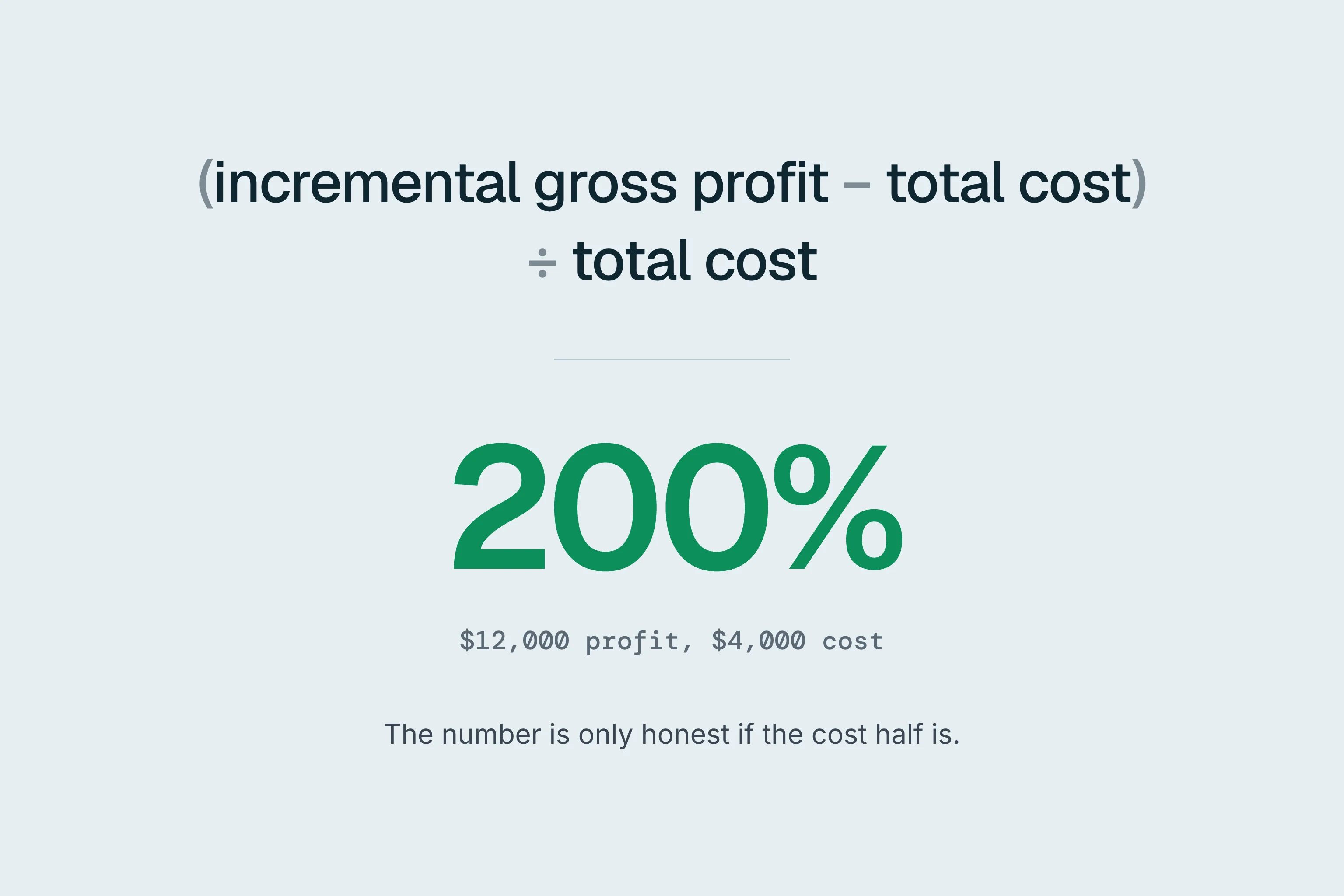
Map the answers on a 1-5 scale and total the score. Anything below 12 is a placeholder; migrate before you scale. Remember the goal is to validate the channel, not to stay free forever. The moment CAC < LTV, pay for the upgrade or you will lose more in opportunity cost than the subscription price.
| Tool | Best For | Free Cap | Branding / Export | Main Risk |
|---|---|---|---|---|
| Buffer AI Assistant | Social scheduling and analytics | 30 posts/mo | Watermark, platform export limits | You outgrow the account cap fast |
| HubSpot AI Blog Writer | SEO blog drafts | 3 posts/mo | No branding | Too few posts to scale a cluster |
| Sparqo Reddit Agent | Reddit drafting with human review | 14 posts/mo | Human review gate, usable workflow | Approval slows volume if you need autopilot |
| Mailchimp Email AI | Email copy | 1k contacts | Footer branding | Subscribers see vendor branding on every send |
| Typeframes Clip AI | Repurposed video clips | 5 videos/mo | Watermark | Hard to test video volume meaningfully |
If you outgrow multiple point solutions, consider a coordinated layer instead of stacking ten freemiums. Sparqo routes work between Reddit, SEO, and LinkedIn agents under one flat price (see pricing), so you dodge the usage cliff everywhere at once. But only switch when you are hitting the cap on two or more channels; until then the free tiers below are the fastest way to prove traction without a card.
Scoring methodology detail: for export format, 5 points means native markdown with frontmatter, image assets bundled, and metadata preserved. 1 point means PDF only or locked web view. For branding lock, 5 points means completely white-label output; 1 means mandatory footer, watermark, or "made with" badge. Usage cliff scoring inverts the problem: 5 points for 500+ actions, 1 point for sub-50. Stack fit 5 points requires native API, webhook support, and existing integrations with your current tools; 1 point means manual CSV upload only.
The CAC < LTV calculation deserves concrete application. Suppose your free SEO tool drives 200 monthly visitors, converting at 2% to trial, with 20% trial-to-paid, generating $500 annual contract value. Monthly contribution: 200 × 0.02 × 0.20 × $500 / 12 = $33. If the paid tier costs $99/month, you are underwater. But if paid features (better keywords, more content, rank tracking) triple traffic to 600, contribution becomes $100, justifying the upgrade. Model this explicitly rather than relying on intuition.
Migration planning prevents crisis. Before committing to any free tier, document: current data location, export procedures, alternative tools evaluated, and migration timeline. Set calendar reminders 30 days before expected cap exhaustion. Maintain parallel tracking in a simple spreadsheet so no historical data disappears when you switch.
The coordinated layer decision point typically arrives at 10-15 hours monthly spent juggling multiple free tiers, or when caps force artificial throttling of proven channels. Sparqo's flat pricing model eliminates per-channel anxiety, but requires sufficient cross-channel volume to justify the fixed cost. Calculate breakeven: if you currently pay for three tools at $30-50 each, and Sparqo replaces them at $99, operational simplification may justify the switch even without pure cost savings.
Integration architecture matters for scaling teams. Point solutions create data silos: your SEO keywords live in one tool, social performance in another, email metrics in a third. Coordinated layers centralize intelligence, enabling cross-channel attribution that reveals true customer journey patterns. This visibility becomes essential when optimizing spend across multiple touchpoints.
TL;DR
Use free tiers to test one channel fast, keep the 30% human layer, and migrate before the cap becomes your growth wall. Pick tools that export your data and dont watermark your brand. When more than one channel works, swap the patchwork for an orchestrated layer so you stop juggling ten disconnected caps.
FAQ
Which free AI is best for marketing?
Buffer AI Assistant for social, HubSpot AI Writer for blog SEO, and Sparqo Reddit Agent for community posts. Each gives enough runway to prove traction without a card.
Which AI tool is absolutely free?
Open source models like Llama 3 8B via Ollama cost zero in license fees but require your own hardware. No SaaS with cloud GPUs is 100% free forever.
What is the 30% rule for AI?
Generate the first 30% with AI for structure and keywords, then finish the rest manually to avoid spam flags and keep brand voice.
What AI is 100% free?
Only self hosted open source models such as Llama 3 or GPT4All are 100% free of usage caps, but you pay in compute time and dev ops.

Founder of Sparqo, building an AI CMO that runs SEO, AI visibility and Reddit for indie founders and small teams who do their own marketing.